

Hello. I'm your freight friend in crime. You can call me Freddie (I like that).
The last newsletter had a chart with three separate axis labels. I had my work cut out for me.
Here's the situation. FreightFox has spent years building something most supply chains haven't. Six million trips. Thirteen hundred transporters. Enough lane-level pricing to know what a truck from Bhiwandi to Nagpur should cost, down to the rupee.
And how did they share all of this?
Monthly newsletters. Beautifully written blogs or research articles, packed with accurate data... and just enough charts to make you promise yourself you'll read them later.
So they hired a fox.
My job is simple. I go and look at things, then I tell you what I found, without the corporate throat-clearing. If a number is boring, I'll skip it. If a number is interesting, I'll tell you why, which is a step most people skip.
I'll be here every issue, bringing you insights from millions of freight movements, market trends, and supply chain trends, one useful observation at a time. Let's start with July.
Freddie Foxwell
I spent an afternoon reading GST advisories. Nobody warned me this job would involve GST advisories.
Here's the one that made me sit up straight.
Starting August 1st, if the Ship To GSTIN field is blank, your e-Way Bill refuses to generate.
No e-Way Bill, no truck movement.
Here's why this matters.
Most manufacturers have what everyone calls a "Bill To, Ship To" transaction. The head office places the order. The plant receives the material. Nothing unusual. Just another Tuesday.
The problem isn't that people don't know the rules. The problem is that ERPs have a habit of learning new rules a little later than the government announces them. That's the gap I'd be worried about.
One thing to check today. If you're shipping to an unregistered location, the field shouldn't be left blank. It should be "URP."
It's a two-minute conversation with your ERP team. Much better than discovering it when a truck is waiting at the gate.
I went looking for who decided this number.
Nobody knows.
Nobody wrote it down. Nobody signed off on it. It just kept getting copied into the next contract, and the next one after that.
So I did the math myself.
Turns out 40% is only accurate around 350 km. Move away from that, and the number stops being true.
You won't get a warning. You'll just get a truck that doesn't show up.
Full math, rupee by rupee, in the blog.
There are five layers of freight intelligence.
Most manufacturers are stuck at layer one, and don't realise it.
Layer one is a blinking GPS dot. You know where the truck is.
Not whether a lane costs more than it should. Not whether a transporter is quietly avoiding your loads. Not whether your rate still makes sense today.
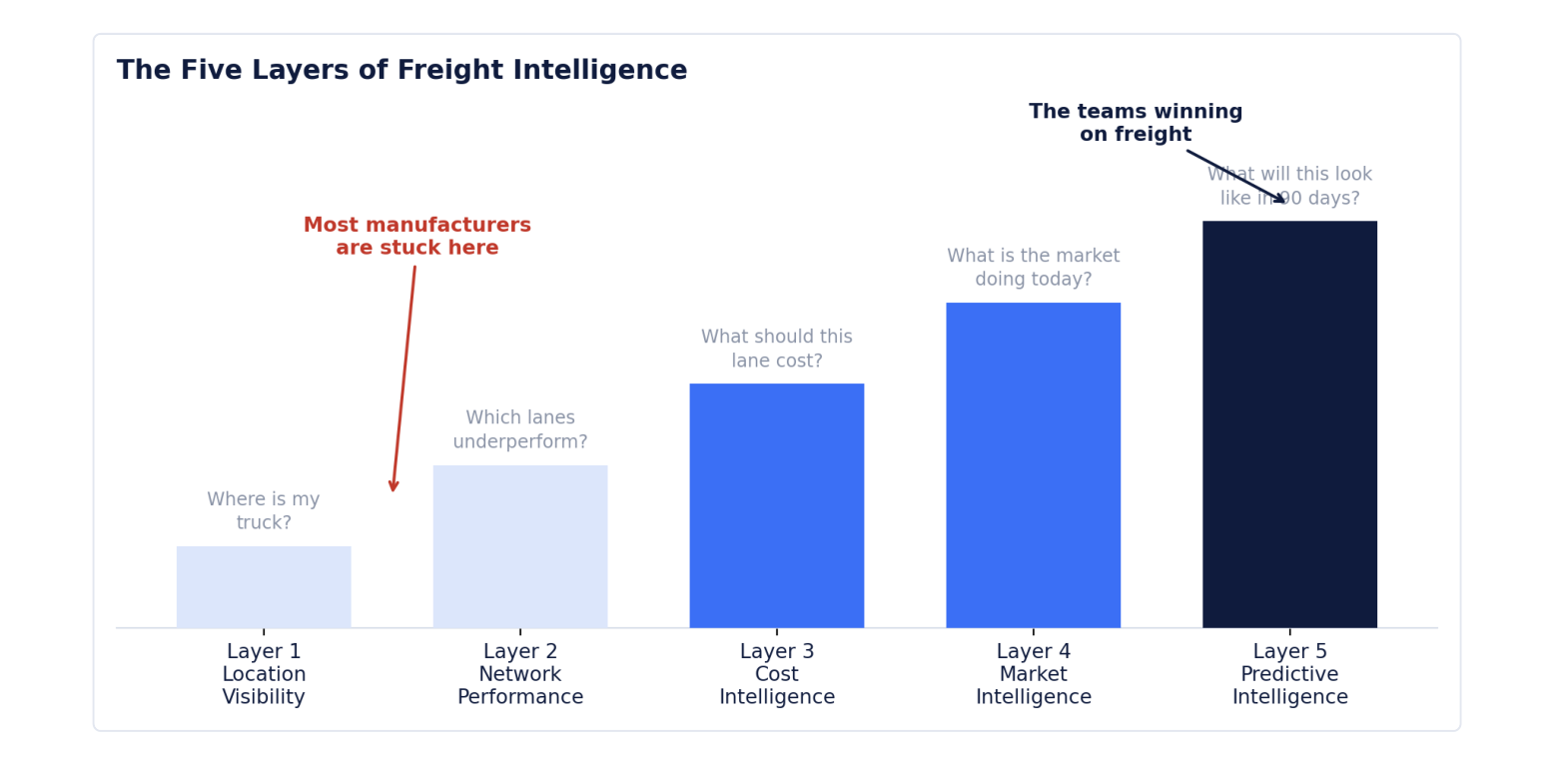
Real intelligence starts at layer three, knowing what a lane should cost, not reusing last year's number.
Layer four is today's market rate. Layer five is knowing your network 90 days out.
A moving dot feels like control. It isn't.
14-page workbook on all five, blind spots named, 30-day fix, no new hires.
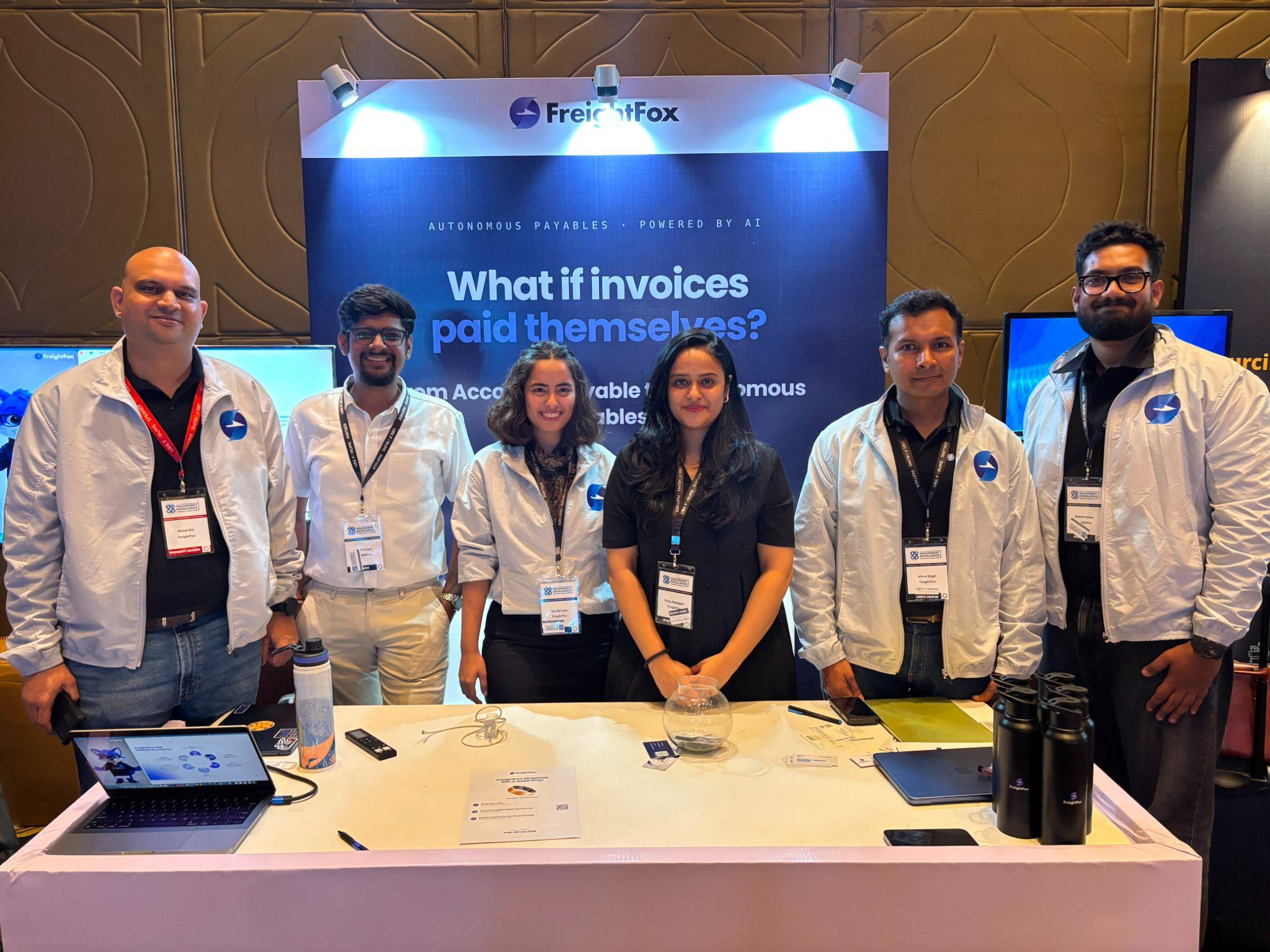



FreightFox is a full-stack TMS and Control Tower platform that helps enterprises streamline freight procurement, execution, visibility, settlement, and sustainability—from Procure-to-Pay