
Freight procurement is how enterprises source and contract carriers to move their goods: running RFQs, contract and spot auctions, and rate benchmarking to secure capacity at the best price.
Supply Chain Management forms the backbone of organisational success, serving as a detailed map for each step of business operations.
From suppliers providing raw materials to customers receiving the end product, various factors contribute to the smooth flow of the supply chain, crucial for keeping an organisation's operations running without disruption.
One key player in this process is Freight Procurement, an element that carries considerable influence over the overall efficiency of the supply chain and, by extension, an organisation's operations.
Today, we’ll uncover the nuances of freight procurement, from its definition to its impact on logistics, the current state of affairs, and how to use technology to overcome challenges in this constantly changing landscape.
Right then, let’s get right in!
Freight procurement is how shippers source, negotiate, and contract carrier capacity at the best landed rate - typically through a structured RFQ process that benchmarks lanes and allocates volume to the right carriers.
Supply Chain Management forms the backbone of organisational success by keeping the flow of goods from suppliers to end customers smooth and uninterrupted.
From sourcing raw materials to delivering finished products, every stage of the supply chain depends on efficient transportation. This makes transportation procurement a critical component of overall business performance.
An effective logistics procurement strategy helps organisations:
As more businesses compete on customer experience, transportation and logistics capabilities have become major differentiators.
Effective logistics management goes far beyond moving goods from Point A to Point B.
A successful freight sourcing solution helps businesses identify the right transport partners, build strong carrier relationships, and maintain a reliable network of backup carriers.
Rather than relying solely on the lowest-cost transporter, organisations must consider:
A comprehensive freight sourcing strategy addresses these logistics challenges while enabling businesses to optimise resources and maintain operational continuity.
The decisions made during the freight procurement process directly influence supply chain efficiency, transportation costs, and service performance.
Modern enterprises often manage multiple transportation modes as part of their overall logistics procurement strategy.
Air Freight Procurement
Air freight procurement focuses on sourcing air transportation services for time-sensitive shipments. It involves evaluating airlines, freight forwarders, transit times, service levels, and pricing structures to ensure rapid and reliable deliveries.
Ocean Freight Procurement
Ocean freight procurement involves selecting ocean carriers and shipping partners for international and large-volume cargo movements. Businesses evaluate factors such as shipping schedules, freight rates, container availability, and port coverage to optimise global transportation operations.
Road Transportation Procurement
Road transportation remains one of the most widely used modes for domestic freight movement. Effective transportation procurement ensures access to reliable trucking partners while maintaining cost efficiency and service quality.
Since the inception of freightfox, our team, led by Founder and CEO Nitish Rai, has engaged with logistics professionals and industry leaders across multiple sectors. These interactions have provided valuable insights into the realities of freight management and procurement operations in India.
Drawing from over a decade of manufacturing and supply chain experience, freightfox has observed that logistics costs can range from 4% to 25% of overall business expenses, depending on the industry. This includes sectors ranging from heavy manufacturing and industrial operations to e-commerce and direct-to-consumer (D2C) businesses.
Despite these differences, a common challenge persists across organisations.
Many logistics teams operate with limited manpower while managing highly manual processes, including:
These manual activities consume valuable resources and create inefficiencies that directly impact revenue generation and customer satisfaction.
An effective freight procurement process helps businesses secure reliable transportation partners, optimize freight costs, and improve supply chain efficiency. The process typically includes the following five steps:
1. Lane Scoping: Define shipping lanes, freight volumes, service requirements, and transportation modes to establish the scope of the procurement exercise.
2. RFQ Design: Prepare a detailed Request for Quotation software(RFQ) that outlines shipment specifications, service expectations, contract terms, and evaluation criteria for participating carriers.
3. Bid Collection: Invite qualified carriers to submit competitive bids and gather pricing, capacity commitments, transit times, and value-added service offerings.
4. Benchmarking: Compare carrier bids against historical freight rates, market benchmarks, and performance metrics to identify the best-value proposals.
5. Award and Allocation: Select the most suitable carriers and allocate freight volumes based on pricing, service quality, capacity, and strategic business objectives.
The future of freight procurement lies in data-driven decision-making, automation, and intelligent carrier management.
Organisations that invest in a strong logistics procurement strategy and leverage modern freight sourcing solutions will be better positioned to:
As Manjari rightly points out:
"It's one thing to make the goods, but a very different ball game delivering them."
This statement highlights the growing importance of optimising freight procurement, transportation procurement, air freight procurement, and ocean freight procurement to achieve long-term business success in a more competitive marketplace.
Supply chains today move fast, and a strong freight procurement strategy is no longer optional, it's a business necessity. Organisations striving to become market leaders must develop a resilient logistics procurement strategy that aligns supply chain, procurement, and logistics functions while balancing cost, efficiency, and customer expectations.
However, achieving this alignment is often challenging.
Consider a situation where a truck has the capacity to carry 1,000 SKUs, but the sales team requires only 800 SKUs to be dispatched. While logistics teams focus on maximising vehicle utilisation, sales teams prioritise demand fulfilment. These conflicting priorities highlight the complexities that enterprises face when managing transportation operations.
This raises an important question:
If your organisation still relies on traditional methods such as email-based RFQs, manual negotiations, spreadsheets, and disconnected communication channels, you may not be realising the full value of your transportation spend.
Despite significant investments in logistics operations, many businesses continue to experience inefficiencies that impact costs, service quality, and overall supply chain performance.
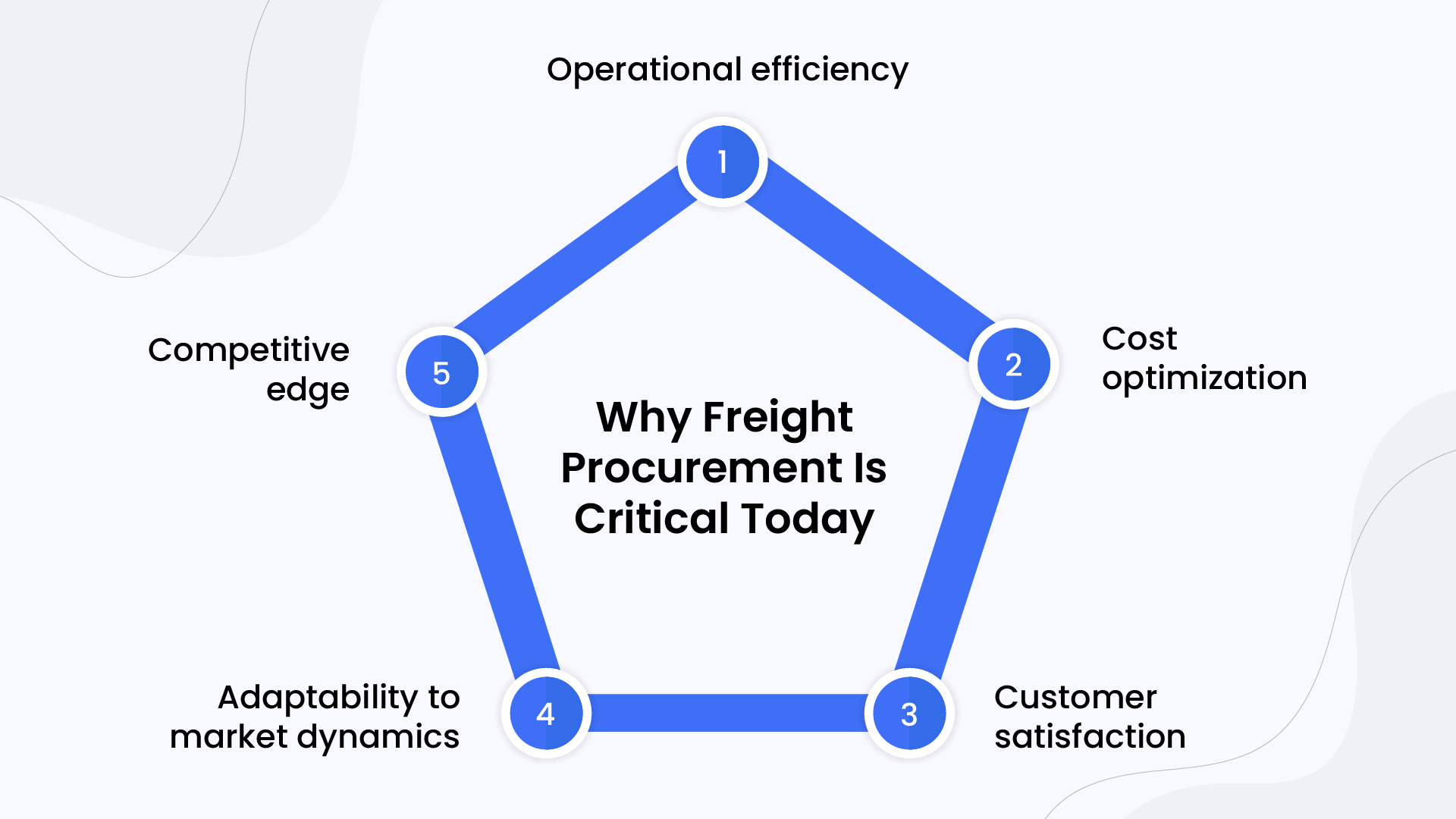
At its core, freight procurement serves as the foundation of efficient logistics. Logistics is about ensuring goods move smoothly from Point A to Point B, and effective transportation procurement is what makes that possible.
1. Improves Operational Efficiency
A successful freight procurement process ensures organisations partner with the right carriers and transportation providers.
Selecting reliable transport partners helps businesses:
Strong freight sourcing practices enable companies to maintain consistency and efficiency across their logistics networks.
2. Enables Cost Optimisation
Transportation costs are often one of the largest operational expenses for businesses.
A strategic freight sourcing solution helps organisations:
By implementing an effective freight procurement process, businesses can control costs without compromising service quality.
3. Enhances Customer Satisfaction
Customer expectations continue to rise, especially regarding delivery speed and reliability.
Effective freight procurement ensures:
When products arrive as promised, customer trust and brand loyalty increase significantly.
4. Supports Adaptability to Market Changes
Supply chains are constantly influenced by changing market conditions, demand fluctuations, fuel prices, and geopolitical factors.
A modern logistics procurement strategy provides the flexibility needed to:
Organisations with agile freight sourcing capabilities are better equipped to navigate uncertainty.
5. Creates a Competitive Advantage
In a competitive marketplace, logistics performance directly impacts business success.
An optimised freight procurement strategy helps organisations:
As customer expectations continue to grow, transportation excellence becomes a critical competitive differentiator.
Despite the strategic importance of freight procurement, many organisations still rely heavily on manual processes, spreadsheets, phone calls, and emails to manage transportation operations.
These outdated practices often lead to freight management disruptions, inefficiencies, and missed opportunities for optimisation.
Below are some of the most common challenges organisations face throughout the freight procurement process.
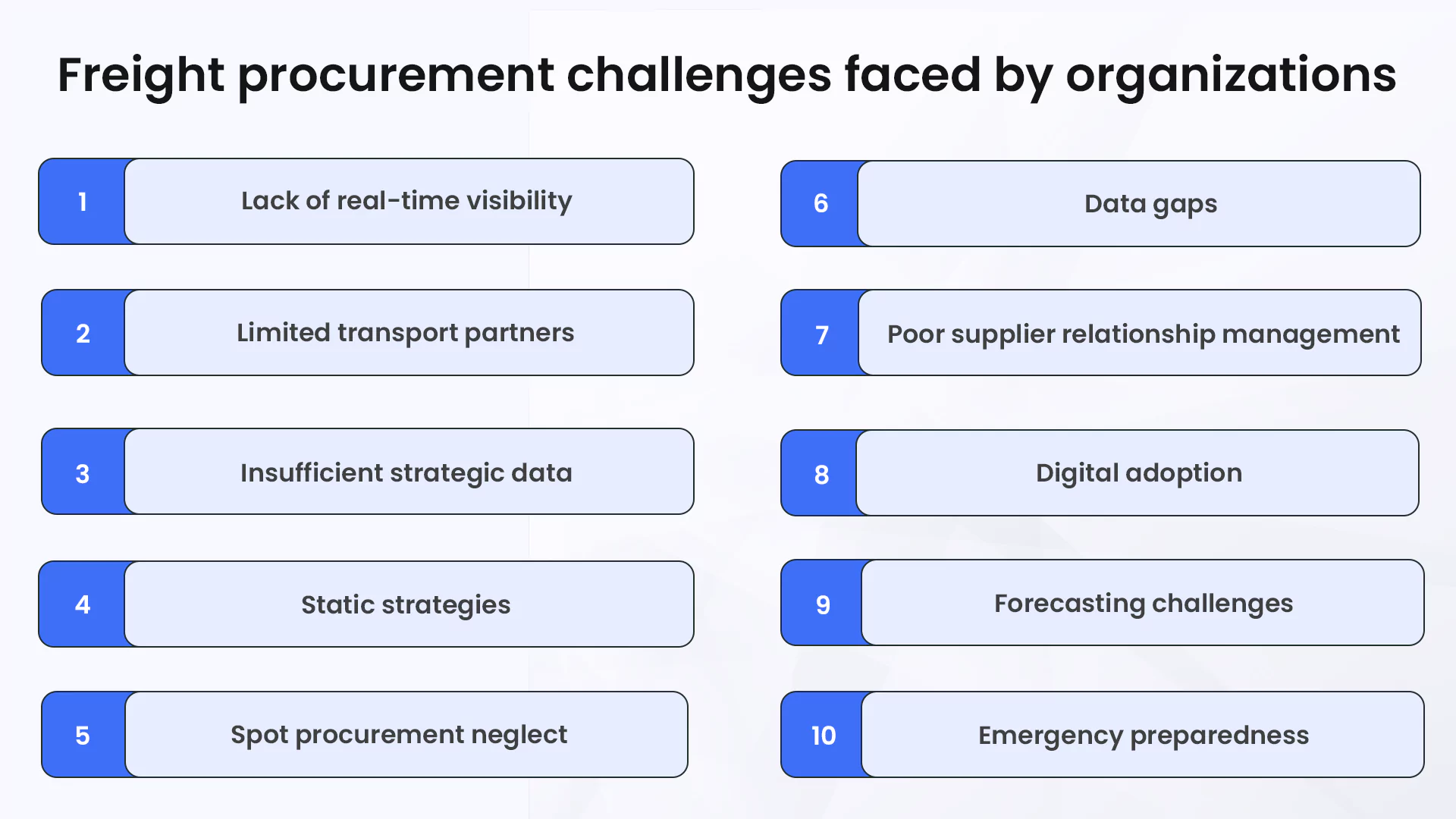
1. Lack of Real-Time Visibility
One of the biggest challenges is the absence of real-time freight spend and transportation analytics.
Without visibility into logistics performance, organisations struggle to:
Improved supply chain visibility is essential for optimising transportation procurement and freight operations.
2. Limited Transport Partner Network
Many businesses work with a small and restricted group of transport partners.
This limits:
A broader freight sourcing network enables organisations to gain greater value and resilience.
3. Insufficient Strategic Carrier Data
Organisations often lack comprehensive information about their transportation partners.
Without insights into carrier strengths, weaknesses, opportunities, and risks, businesses face challenges in making informed procurement decisions.
A data-driven freight sourcing solution helps create a more strategic carrier selection process.
4. Dependence on Static Procurement Strategies
Many organisations continue to rely on long-term transportation contracts that may become ineffective as market conditions evolve.
Research and industry experience show that transportation contracts often lose effectiveness within a few months due to:
Modern freight procurement requires dynamic and flexible sourcing approaches.
5. Underutilisation of Spot Procurement
Spot freight procurement is frequently treated as an emergency solution rather than a strategic sourcing tool.
Organisations that fail to actively manage spot procurement opportunities often miss out on:
An effective freight procurement process should balance both contract and spot sourcing strategies.
6. Data Gaps and Performance Blind Spots
Many logistics teams lack access to real-time operational data, including:
These gaps make it difficult to accurately assess transportation risks and costs.
Regular freight audits can help organisations improve decision-making and strengthen their overall logistics procurement strategy.
7. Poor Supplier Relationship Management
Strong carrier relationships are essential for long-term transportation success.
However, many organisations fail to maintain consistent communication and engagement with transport partners.
This can lead to:
Successful freight sourcing depends on building strong and collaborative carrier partnerships.
8. Slow Digital Adoption
Many logistics teams still rely heavily on manual workflows rather than leveraging modern digital tools.
The lack of digitisation limits:
Technology-enabled freight sourcing solutions help organisations improve responsiveness and operational efficiency.
9. Forecasting and Planning Challenges
Accurate demand forecasting remains a challenge for many organisations.
Without proactive load and truck forecasting, transport partners receive limited visibility into future requirements.
This creates difficulties in:
A strong freight procurement strategy should incorporate predictive planning capabilities.
10. Lack of Emergency Preparedness
Unexpected disruptions such as geopolitical conflicts, regulatory changes, environmental policies, natural disasters, and market shocks can significantly impact logistics operations.
Organisations that lack structured contingency plans often struggle to respond effectively.
Establishing Freight Emergency Drills and risk management protocols strengthens supply chain resilience and improves business continuity.
A successful freight procurement process requires a combination of strategic planning, carrier management, data-driven decision-making, and technology adoption. The following strategies help organisations optimise transportation procurement, reduce costs, and improve supply chain performance.
1. Carrier Selection
Carrier selection is the foundation of effective freight procurement and freight sourcing.
Key Considerations:
2. Contract Negotiation
Strong contract negotiation helps create mutually beneficial relationships between shippers and carriers.
Key Elements:
3. Performance Monitoring
Continuous monitoring ensures carriers meet agreed service standards and support ongoing logistics improvement.
Important Metrics:
4. Contract Procurement
Contract procurement involves securing long-term transportation agreements with carriers.
Benefits:
This approach is widely used in ocean freight procurement, road transportation, and large-scale logistics operations.
5. Agile Procurement
Agile procurement enables organisations to quickly adapt to changing business requirements and market conditions.
Key Features:
Agility is especially important in air freight procurement and volatile freight markets.
6. Predictive Analytics
Predictive analytics helps businesses make informed decisions using historical and real-time transportation data.
Applications:
Modern freight sourcing solutions leverage predictive analytics to improve procurement outcomes.
7. Spot Procurement
Spot procurement involves purchasing freight capacity at current market rates for immediate transportation needs.
Advantages:
A balanced freight procurement strategy typically combines both contract and spot procurement.
To overcome common procurement challenges, organisations must focus on three critical elements:
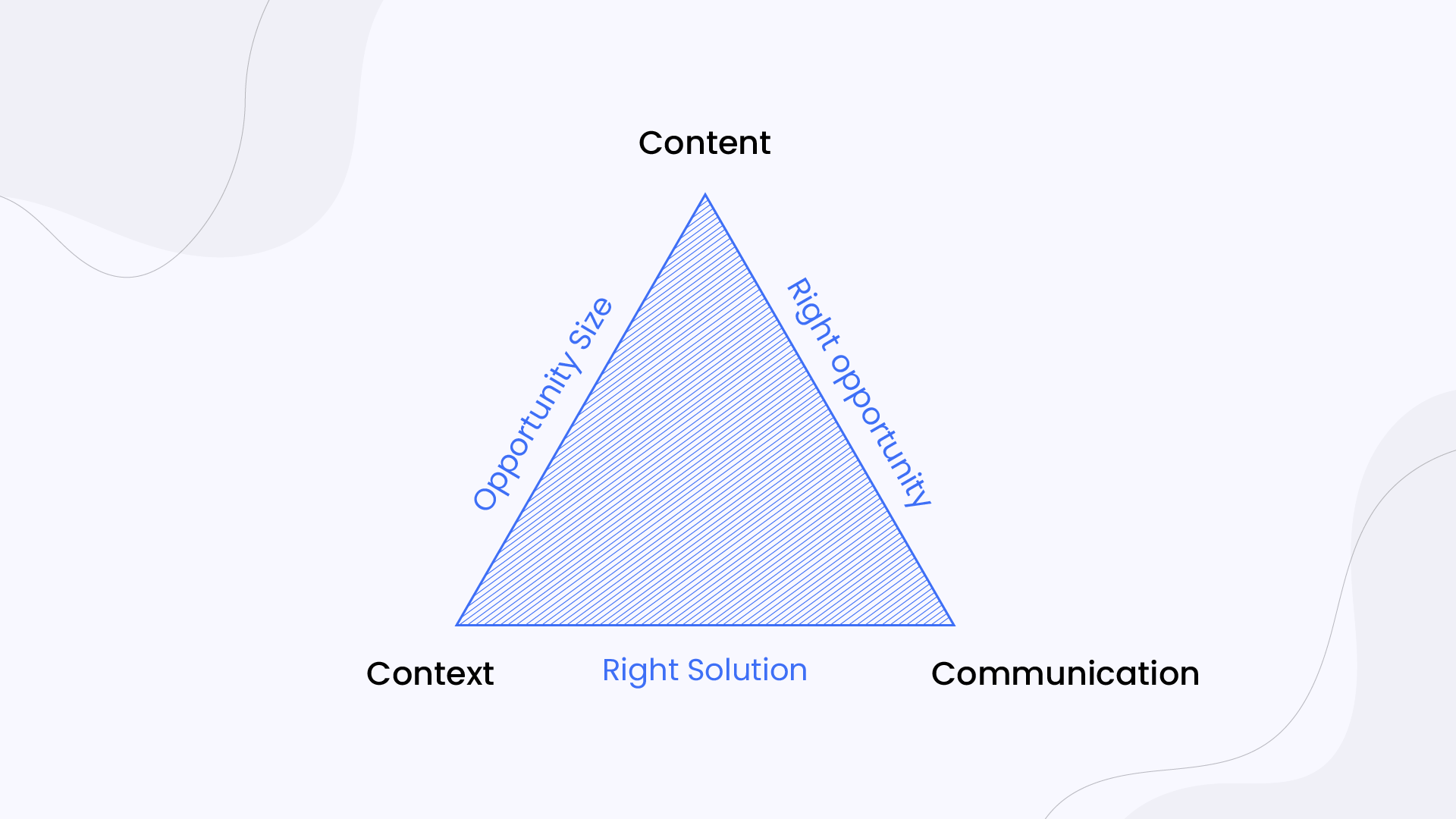
The Freight Value Discovery Triangle
1. Context: Understanding logistics requirements, freight volumes, routes, and operational constraints.
2. Communication: Maintaining transparent communication between procurement teams, carriers, and stakeholders.
3. Content: Leveraging accurate data, market intelligence, and freight benchmarks to make informed decisions.
Context + Communication + Content create the foundation for successful freight sourcing and transportation optimisation.
Modern freight procurement requires specialised technology that can manage complex transportation data and procurement workflows.
An ideal freight sourcing solution should offer:
Questions to Evaluate Your Readiness
Before selecting a solution, ask:
The answers will help determine the most suitable logistics procurement strategy for your organisation.
As logistics networks become more complex, traditional procurement methods based on spreadsheets, emails, and manual negotiations are becoming less and less effective.
Freightfox helps organisations modernise their freight procurement process through technology-driven solutions designed for today's dynamic transportation environment.
Why Choose FreightFox?
Whether you're managing air freight procurement, ocean freight procurement, or domestic transportation procurement, freightfox provides the tools needed to simplify freight sourcing and optimize logistics performance.
Effective freight procurement is no longer just about securing the lowest freight rates. It involves building a resilient logistics procurement strategy, leveraging technology, monitoring carrier performance, and utilising intelligent freight sourcing solutions.
Organisations that modernise their freight procurement process can achieve:
By combining strategic procurement practices with modern technology, businesses can capture greater value from every transportation decision.

See how leading enterprises are optimizing freight costs, performance, and emissions with FreightFox — all in one platform.
FreightFox is a full-stack TMS and Control Tower platform that helps enterprises streamline freight procurement, execution, visibility, settlement, and sustainability—from Procure-to-Pay